Center for Unsteady Aerodynamics @ UCLA

Collaborative multi-faceted explorations of complex aeronautical challenges

The Center for Unsteady Aerodynamics is a leading hub for research and innovation, dedicated to solving the most complex challenges in modern fluid dynamics. Our work is driven by the need to understand and mitigate the effects of high-level unsteadiness imposed by extreme weather, complex flight environments, and evolving energy demands. We seek foundational knowledge and applied solutions that advance the fields of aviation, hydrodynamics, energy, and bio-inspired systems. Our interdisciplinary approach seamlessly integrates theoretical, computational, experimental, and data-driven methods. This synergy allows us to tackle problems of unprecedented complexity with both scientific rigor and practical efficiency. The Center has a track record of successful domestic and international collaborations with academic, government, and industry partners. We are committed to fostering an environment where fundamental scientific inquiry leads directly to impactful, real-world solutions to produce the next generation of scientists and scientific advancements.

Research areas

  • Extreme aerodynamics, transients, and large disturbance flows
  • Subsonic, transonic, and supersonic flows
  • Turbulent, chaotic, and complex flows
  • Flight dynamics
  • Unmanned air systems (UAS) and urban air mobility (UAM)
  • Fixed and rotary wing air vehicles, ground vehicles, marine vehicles
  • Flow-structure interaction (FSI)
  • Biological flows
  • Flow separation and reattachment, static and dynamic stall and recovery
  • Computational fluid dynamics (CFD) and high-performance computing
  • Experimental fluid dynamics, testing, and flow measurement
  • Theoretical, low order, and data-driven modelling
  • Machine learning and AI
  • Uncertainty quantification
  • Flow sensing, estimation, and control
  • Design optimization

Extreme Aerodynamics for Modern Air Vehicles
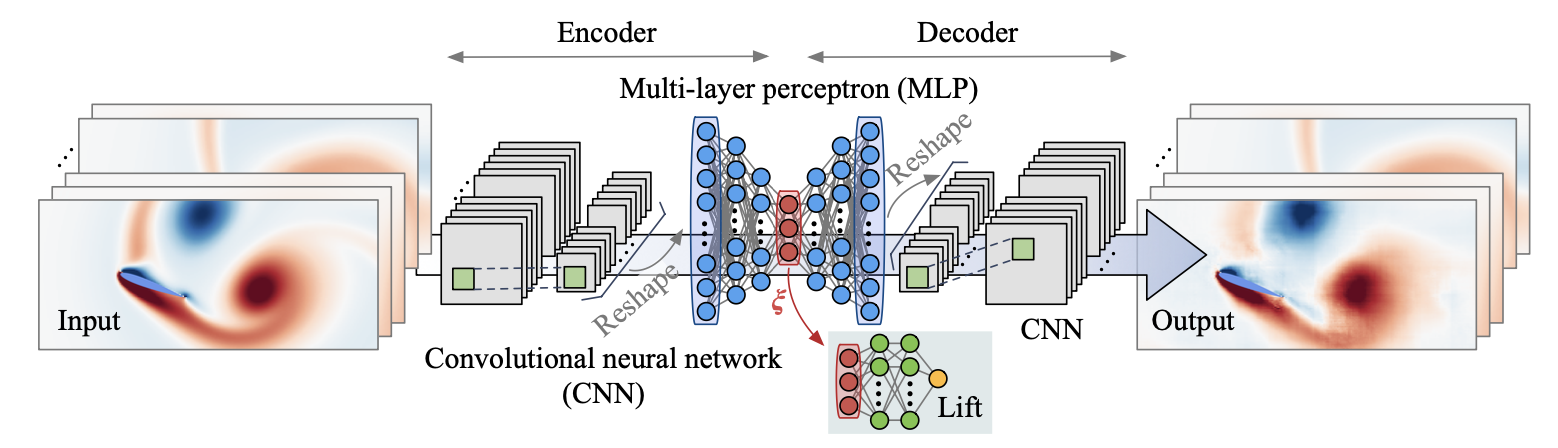
Air vehicles of all sizes are susceptible to extreme weather, but for small vehicles, wind gusts, air wakes, and other flow disturbances can also be problematic. Our research addresses the increasingly pressing challenge of robust flight in unsteady aerodynamic environments by advancing the field of extreme aerodynamics through the development of novel computational, experimental, and data-driven approaches. We develop specialized low-order modeling frameworks grounded in fluid dynamic theory and experimental data to enable fast, real-time state awareness of flow properties and vehicle performance. These approaches achieve dimensionality reduction and incorporate uncertainty quantification. Specialized computations and experiments produce data that are analyzed with state-of-the-art machine learning techniques for flow modeling, aircraft performance estimation, and airfoil design and vehicle shape optimization. This work is at the intersection of unsteady aerodynamics, applied mathematics, data assimilation, and machine learning towards the next generation of robust flight vehicles.

Optimal Flight Trajectory in Unsteady Environments

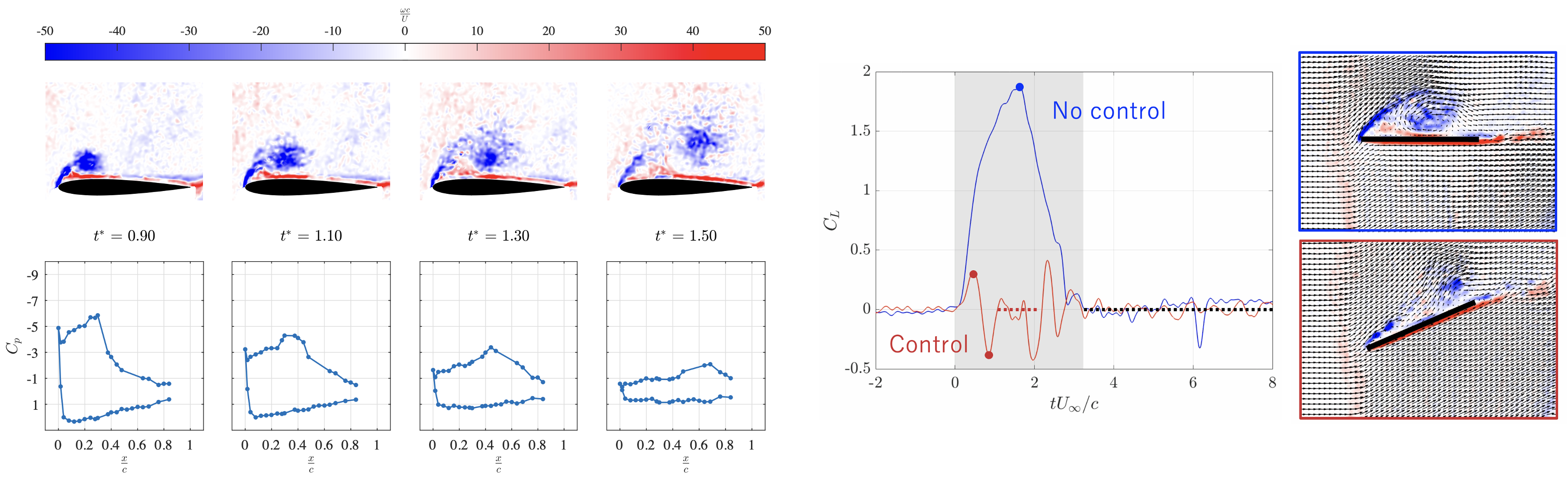
Flight in highly unsteady environments is reluctantly avoided by most air vehicles today due to the many challenges inherent in maintaining controlled flight through unknown and unpredictable wind gusts, while the changing landscape of vehicle designs further complicates the development of accurate flight dynamics models. Operations in these conditions require the vehicle to both sense an impending disturbance and take the necessary actions to remain aloft and on mission. We apply insights gained from unsteady flow analysis of how environmental disturbances affect wing performance to develop models that can predict the dynamical response characteristics of the vehicle and operational guidelines for safe and robust flight. In many cases, air vehicle performance predictions must be made statistically with uncertainty quantification due to the stochastic nature of the disturbances. Using these approaches, we develop techniques for model-based feedback attitude control, model-predictive trajectory planning, and reinforcement learning-based control to ensure stable flight even in the most challenging airspaces.

Analysis and Control of Separated Flows

A significant part of our expertise lies in the analysis of unsteady separated flows, especially over wings and bluff bodies. This includes the study of flow separation, boundary layer physics, leading-edge vortex evolution, and multi-scale wake physics in laminar and turbulent conditions. Our previous work has focused on fixed and rotary wing aircraft, dynamic stall, wing theory, flight through complex terrain and airwakes, ground vehicles, wind and water turbines, and sports aerodynamics. To perform advanced analysis, we use flow measurement, vortex identification methods, modal analysis, phase reduction, and machine learning to identify critical flow structures and understand the underlying flow physics of unsteady force production. The gained insights aid in devising effective passive and active flow-control strategies to enhance aerodynamic performance and better understand and control turbulent and chaotic flows.

Our Team

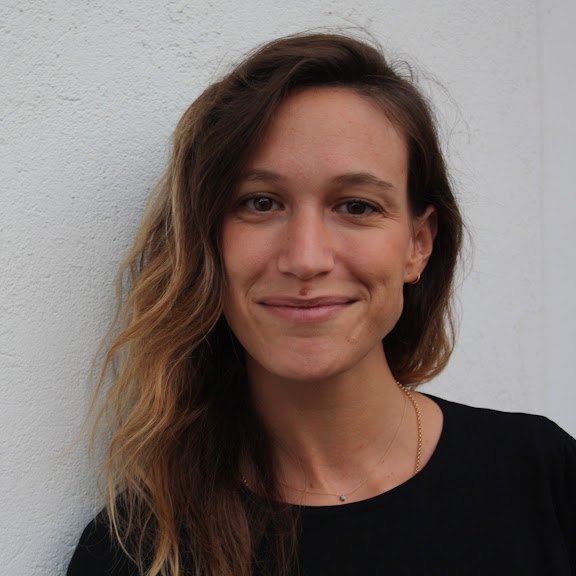
Barbara Lopez-Doriga

Ph.D. 2024, M.Eng. 2019, Illinois Inst of Tech
M.S. 2019, B.S. 2017, Univ Politécnica de Madrid

Reduced-order modeling, turbulence

Victoria Rolandi

Ph.D. 2021, ISAE-Supaero
M.S. 2018, Politecnico di Milano
B.S. 2015, Politecnico di Torino

Modal analysis, flow transition, flow separation

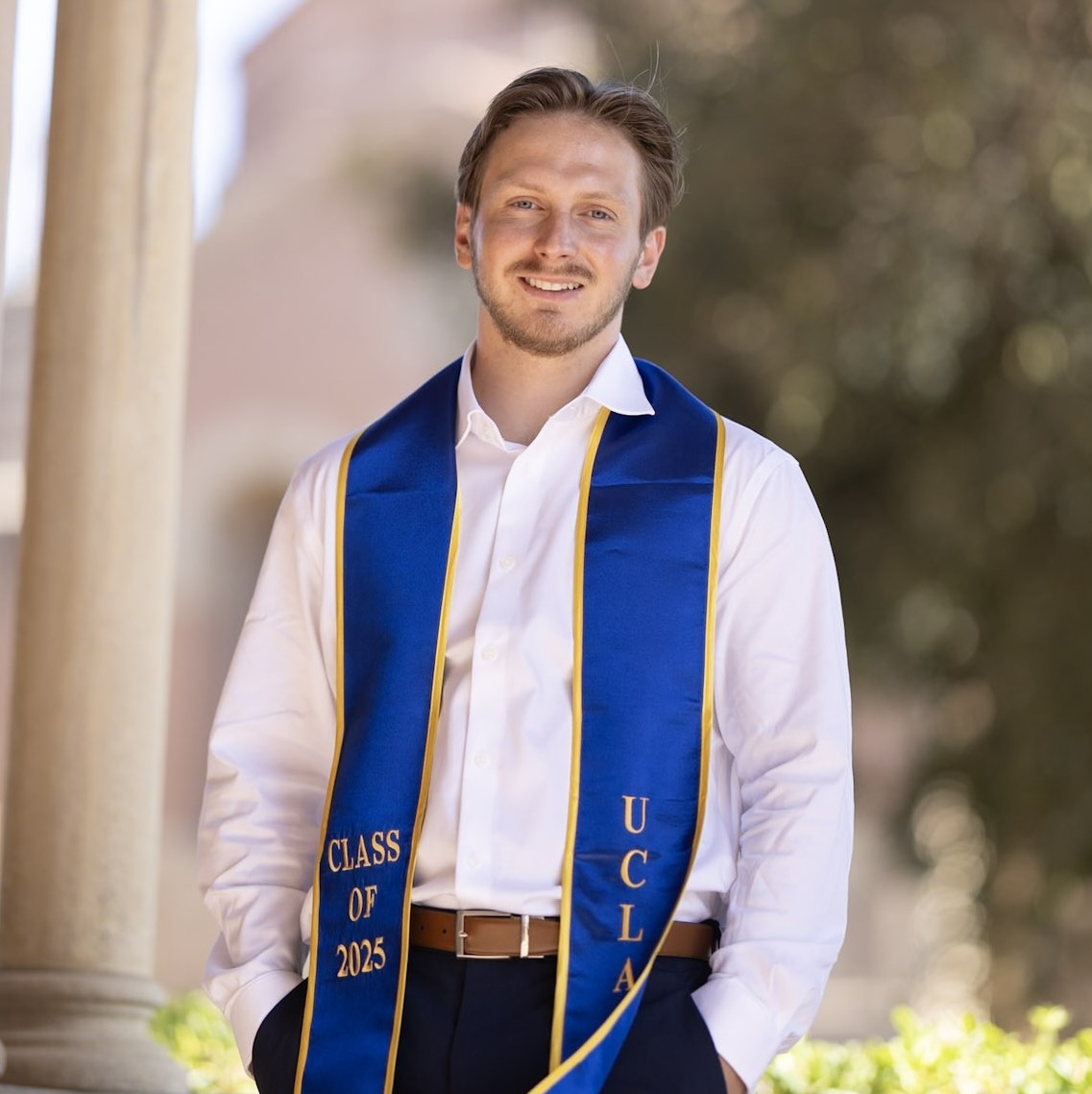
Henry Jones

B.S. 2025, UCLA

Vortex dynamics, wing tip vortices, swept/delta wings, wind tunnel and water channel testing

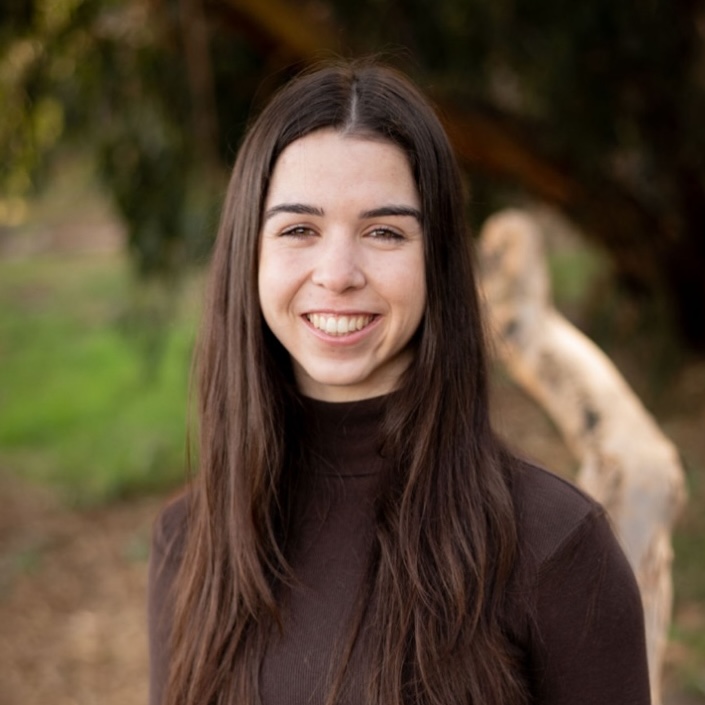
Mackenzie Ficke

B.S. 2025, UCLA

Flow separation, boundary layers, wind tunnel testing

Youngjae Kim

M.S. 2020, B.S. 2018, Sogang University

Phase-reduction analysis of fluid flows

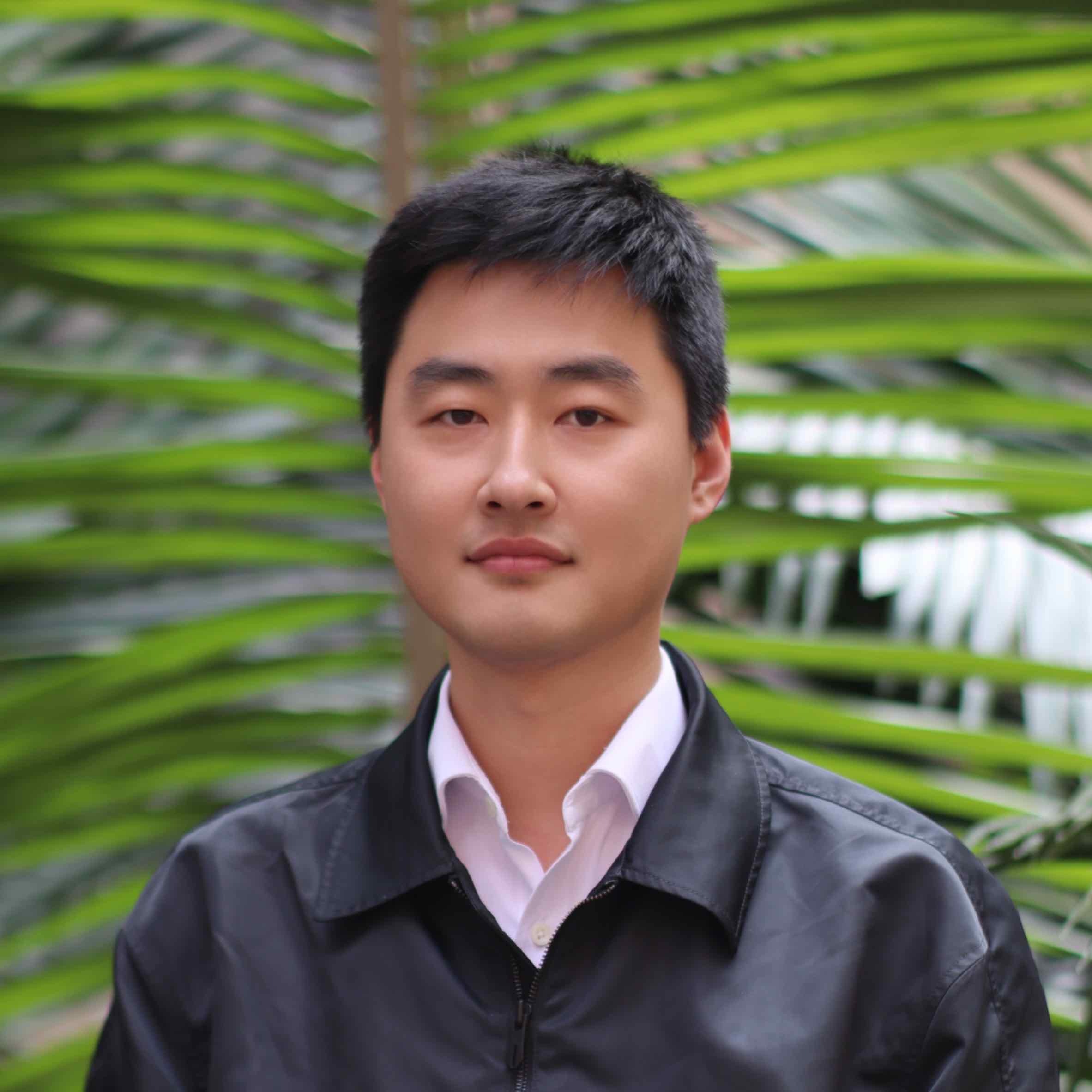
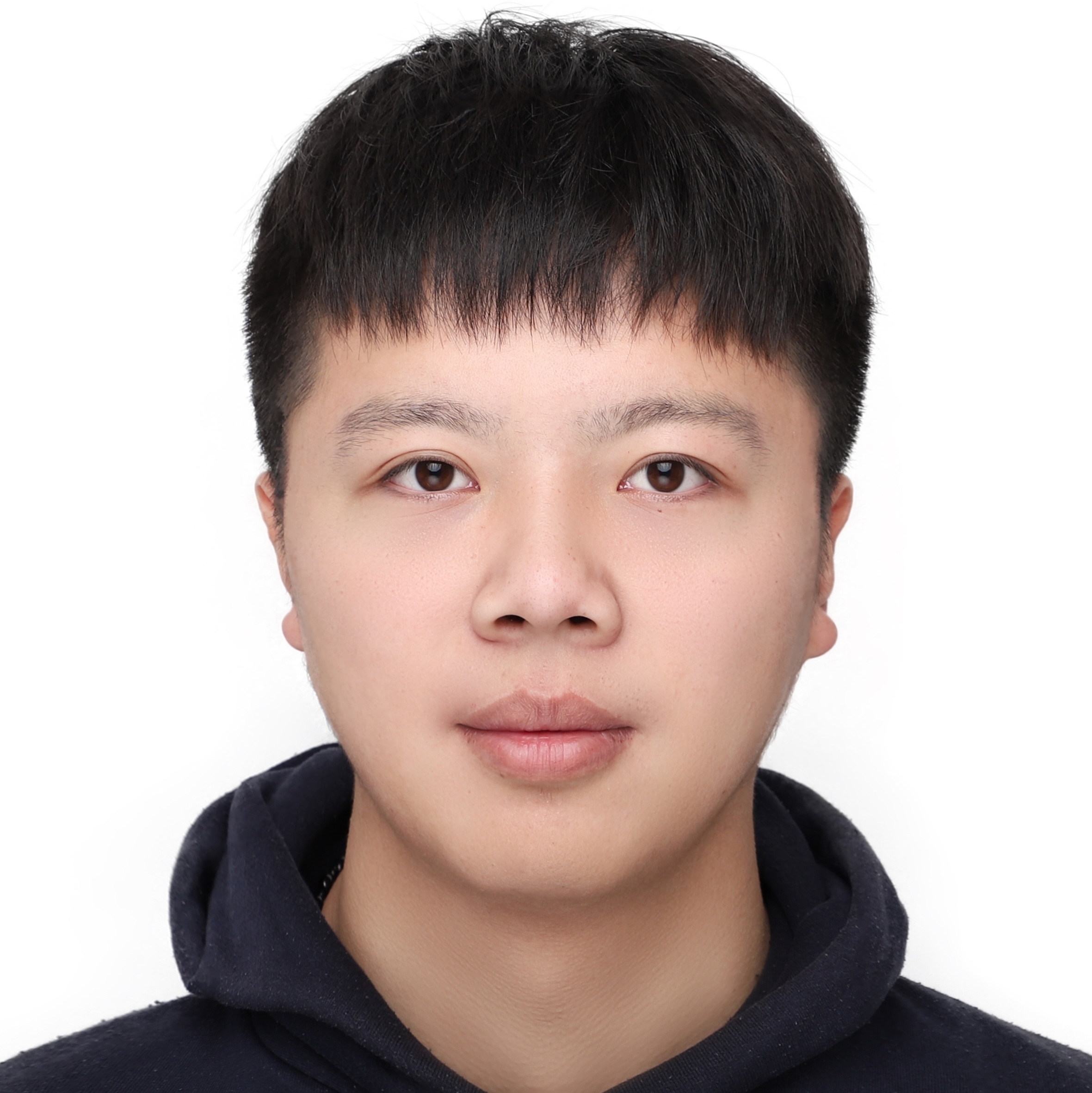
Zhecheng Liu

M.S. 2023, Johns Hopkins University
B.S. 2020, Harbin Institute of Technology

Deep reinforcement learning, flow control, reduced order modeling, CFD

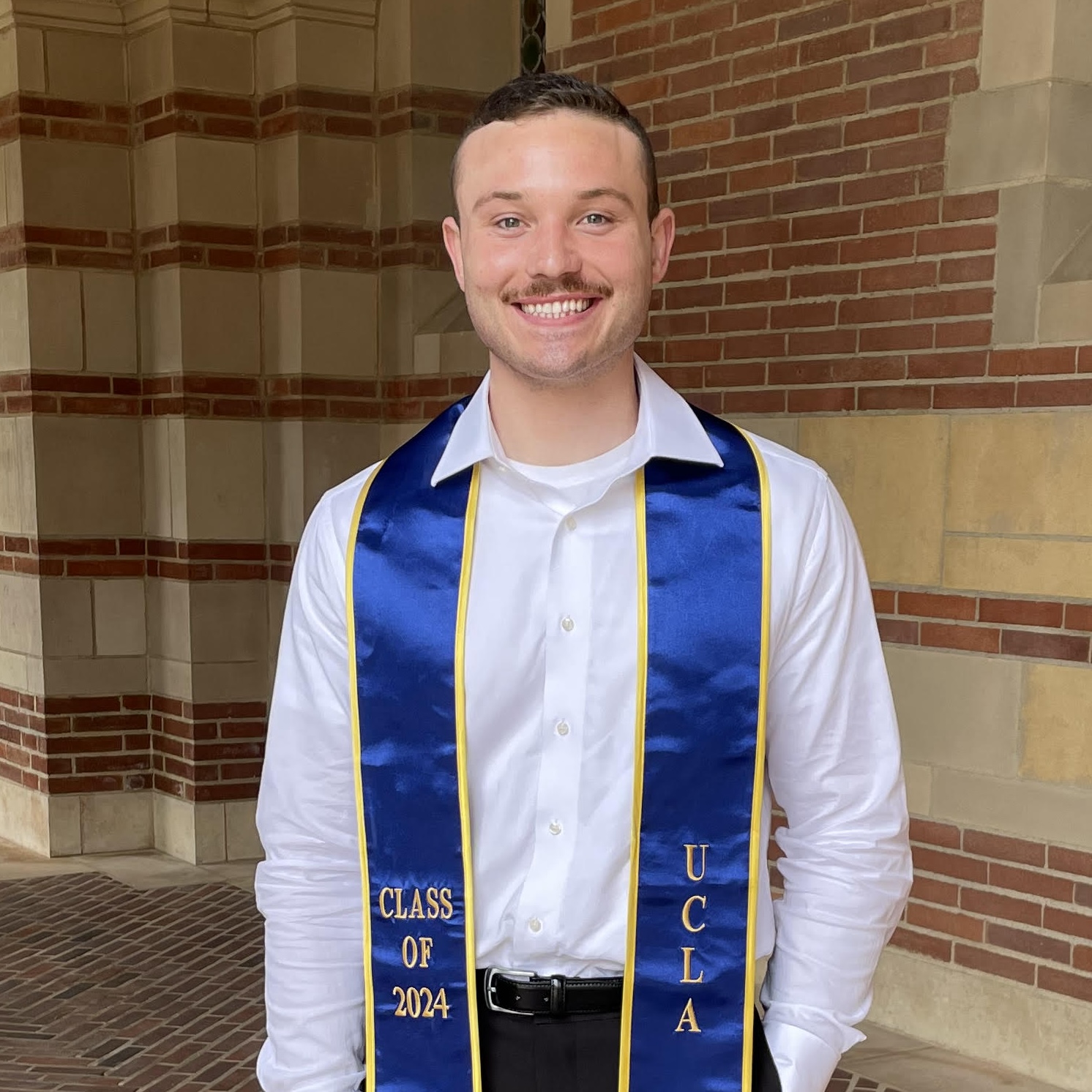
Christopher McCormick

B.S. 2024, UCLA

Optimization, flight dynamics modeling, uncertainty quantification

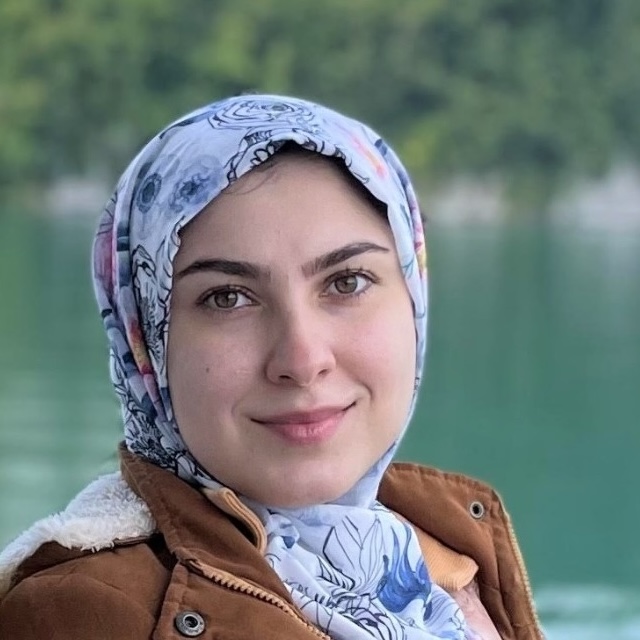
Hanieh Mousavi

M.S. 2018, B.S. 2016, Amirkabir University of Technology

Data assimilation, CFD, machine learning, reduced-order modeling

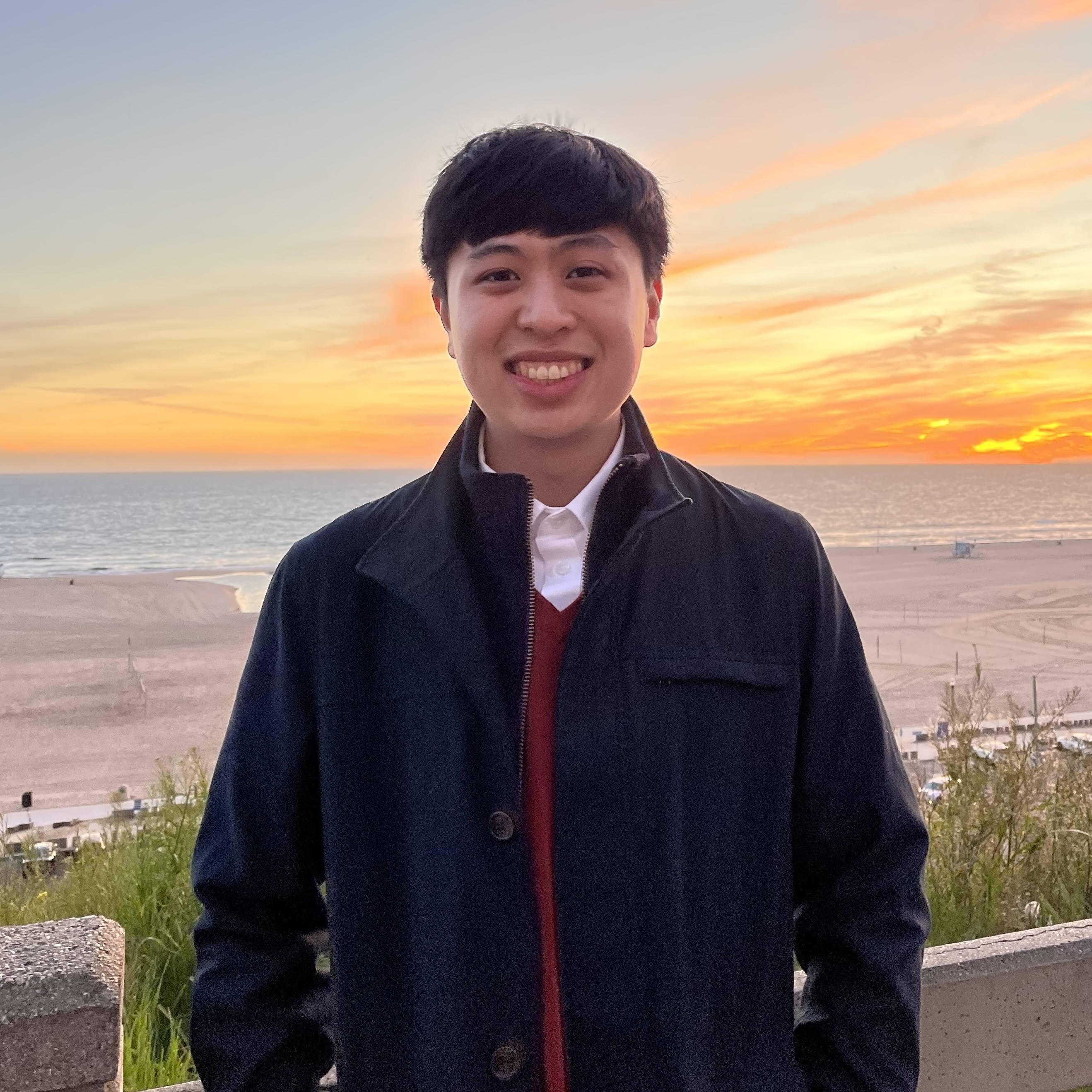
Kevin Nguyen

B.S. 2024, UCLA

Vortex dynamics, unsteady aerodynamics, CFD

Hiroto Odaka

B.Eng. 2022, University of Tokyo

CFD, extreme aerodynamics, data-driven modeling and analysis

Christopher Orr

B.S. 2026, UCLA

CFD, subsonic flow, vortex analysis and control, turbulence dynamics

Adam Schroeder

B.S. 2025, Macalester College

CFD, stability and modal analysis, applied mathematics

Ryan Teoh

B.S. 2026, UCLA

CFD, machine learning, controls, robotics

Jonathan Tran

B.S. 2023, UCLA

Dynamical systems and control theory, machine learning, CFD, applied mathematics

Yueshan Yang

B.S. 2026, UCLA

CFD, machine learning

Yonghong Zhong

M.S. 2020, B.S. 2017, Huazhong University of Science and Technology

CFD, modal analysis, machine learning

Alumni

Zachary Cowger

MS 2025, BS 2024, UCLA
Product Development Engineer, nLIGHT

Wind tunnel testing, flow separation and wakes, baseball aerodynamics

Antonios Gementzopoulos

PhD 2024, University of Maryland
Postdoctoral Associate, High-Speed Aerodynamics and Propulsion Laboratory (HAPL), University of Maryland  

Vortex-dominated flows, experimental aerodynamics, flow estimation and control, high-speed flow physics, rough-wall turbulence

Sponsors